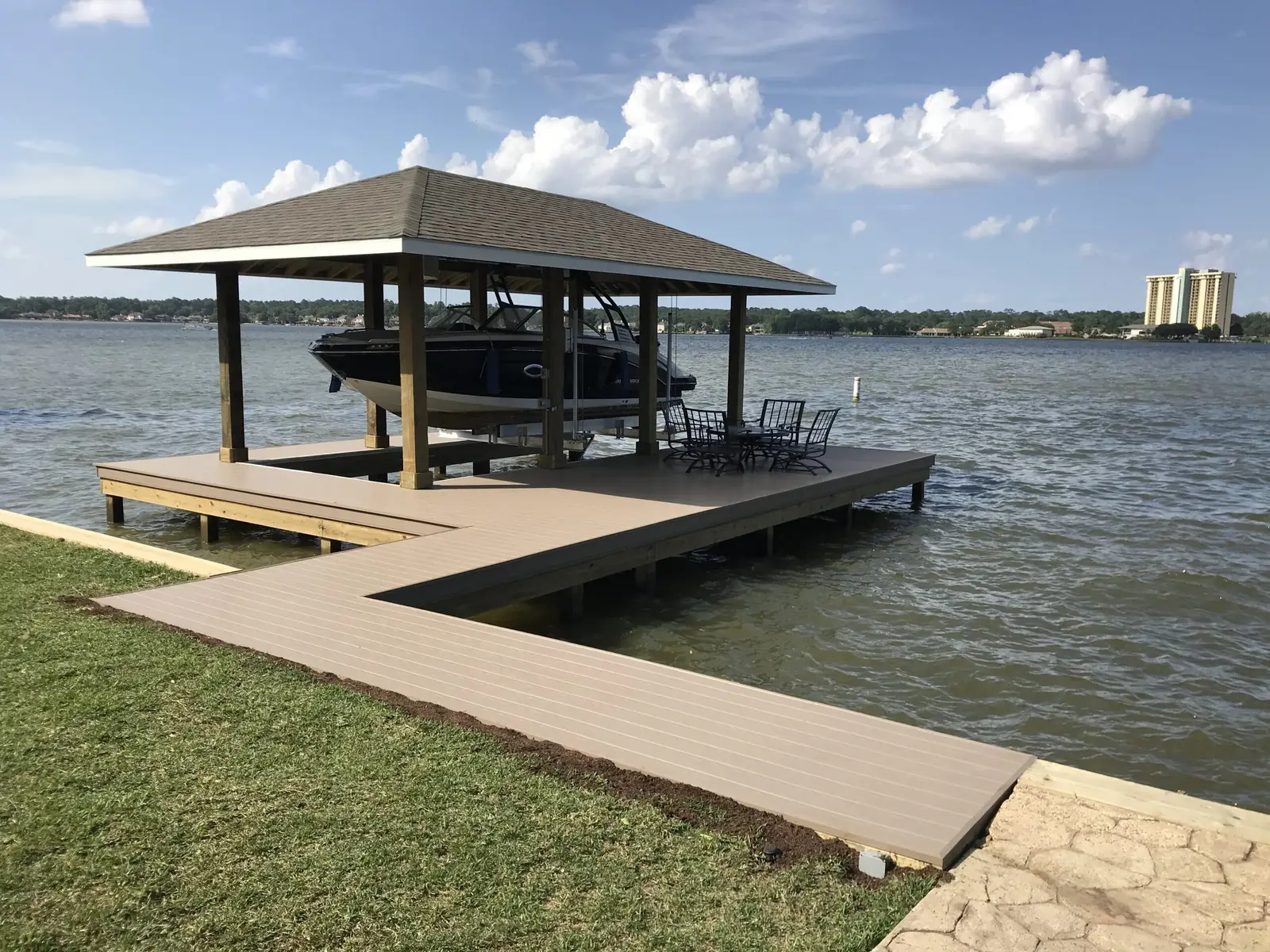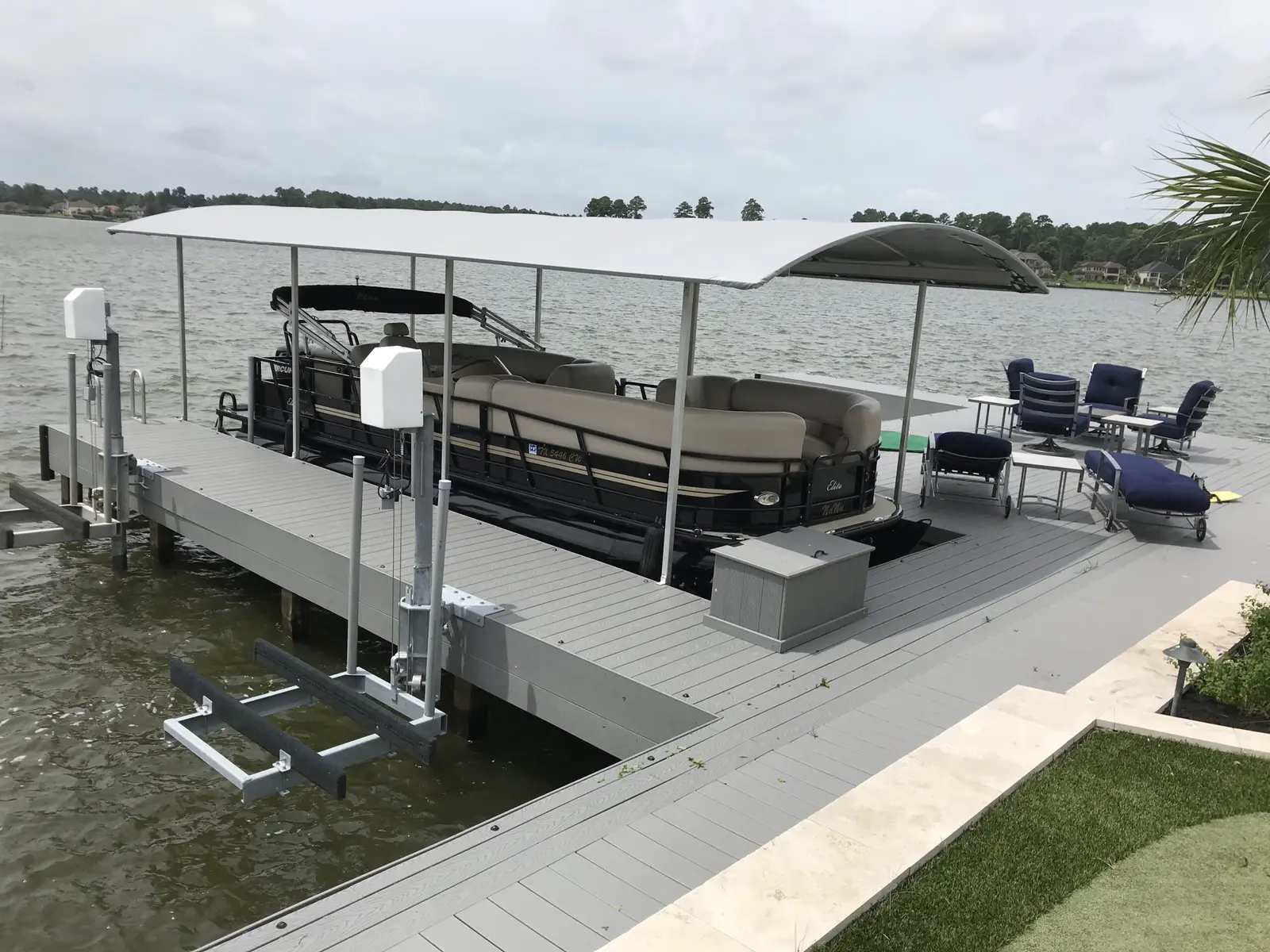
Living in Houston means living with hurricanes. And if you live on the water and have taken the time to build a dock, you need to take steps other homeowners won’t need to step.
A dock is an investment, and you’ll need to protect it. Want to keep your dock as damage-free as possible? Pay attention to these handy tips.
Dock Differences
The first thing you need to know is whether you have a fixed dock or a floating dock, as both types of docks require different kinds of hurricane preparation.
A fixed dock is a stationary structure secured by pilings driven into the shoreline or ground. They remain at a single height and are designed for shorelines with less than two feet of water fluctuation. They’re also meant for shallow water.
A floating dock is buoyant. A floating dock is secured by a line or a cable attached to an anchor. They also use flotation drums to keep them moving with the water. They may be placed in both shallow or deep water, or in water where conditions are expected to fluctuate.
Securing Your Fixed Dock
Start by adding dock bumpers to protect your dock if anything happens to crash into it during the storm, like a boat that has come loose.
Next, remove all unattached decor, furniture, and other items to keep them from getting launched into the air during the storm.
After that, secure your own boat or boats and prepare your boat by stripping it. Remove cushions, covers, gear, and motors: anything small that might be pulled loose and sent flying. You should also turn off electrical equipment other than automatic bilge pumps and make sure your batteries are charged.
Finally, add dock lines and cleats to help secure the dock itself.
Securing Your Floating Dock
When you expect Hurricane conditions, you should bring in your floating dock and store it. If that’s not feasible, you should add extra anchors and cables to tie your dock down as much as possible.
Make sure you remove all loose objects from the dock, including furniture and grills.
Frequently Asked Questions
When is hurricane season in Houston?
The Atlantic hurricane season runs from June 1 to November 30, with the most activity usually from mid-August through September. Waterfront owners in the Houston area should finish dock repairs and make a storm plan before the season begins, then watch forecasts closely during the peak months.
What should I check on my dock after a hurricane?
Stay off the dock until it is safe. Then look for loose or missing boards, leaning or damaged pilings, shifted sections, damage to the bulkhead or soil loss behind it and damaged electrical equipment. Do not restore power until an electrician has checked any equipment that was under water. Photograph the damage for insurance before making repairs.
Can a dock be built to withstand hurricanes?
No dock is hurricane-proof, but design and construction choices make a big difference. Properly sized pilings, the right deck elevation, strong connections, corrosion-resistant hardware and designs that let water flow through can all reduce damage. Regular maintenance matters too, since weakened components are the first to fail in a storm.
Does insurance cover dock damage from a hurricane?
It depends on your policy. Some homeowners policies cover docks while others limit or exclude them, and flood damage usually requires separate flood insurance. In some coastal Texas areas, windstorm coverage is also handled separately. Review your coverage with your insurance agent before storm season.
Stay safe this hurricane season!
Hurricane season will be over soon enough, and once it is we hope you’ll enjoy time out on the water once more.
Haven’t built your dream dock yet? Talk to us! We’ll help design the dock of your dreams, and will discuss the advantages and disadvantage of different dock options. Call us today!